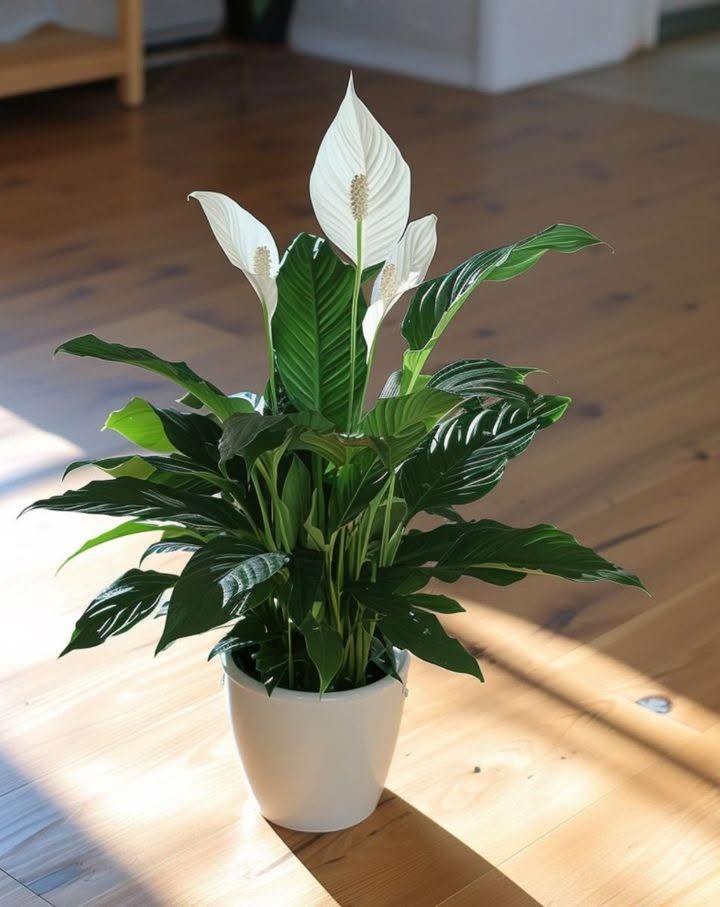
1. Proper lighting
Peace lilies require lighting conditions similar to their native rainforest understory, which means bright but indirect sunlight. While they can survive in low light, insufficient light reduces the likelihood of blooming. To encourage flower production, place your peace lily near a north- or east-facing window where it will receive plenty of diffused light without the harshness of direct sun, which can cause leaf burn.
Signs of inadequate lighting include drooping leaves and a lack of new flower stalks. Conversely, overly intense direct sunlight results in yellowing or scorched leaf edges. Adjust the plant’s location accordingly to strike the right balance.
- Use sheer curtains to filter light if necessary.
- Rotate the plant periodically to ensure even light exposure.
- If natural light is limited, consider a grow light designed for indoor plants.
2. Consistent watering
Maintaining consistent moisture without overwatering is critical for peace lily health and blooming. These plants naturally grow in humid, moist environments but are highly susceptible to root rot if left in soggy soil. The best practice is to water thoroughly when the top inch of soil feels dry to the touch, allowing excess water to drain freely from the pot.
Overwatering symptoms include yellowing leaves and a musty smell from the soil, while underwatering will cause leaves to droop and brown at the tips. Using a pot with drainage holes and a well-draining soil mix helps prevent water accumulation at the roots.
- Water with room-temperature water to avoid shocking the roots.
- Empty any excess water collected in saucers after watering.
- Check soil moisture regularly, especially during seasonal changes.