4. Cayenne Pepper
Cayenne pepper contains capsaicin, a compound that helps reduce platelet clumping and stimulates blood circulation by dilating blood vessels. This vasodilation effect can help lower blood pressure and improve overall cardiovascular function.
Adding a small amount of cayenne pepper to meals or beverages can promote these benefits. However, it may cause stomach irritation in some individuals, so start with low doses. Those on blood thinners should discuss cayenne use with their healthcare provider to avoid excessive anticoagulation.
5. Cinnamon
Cinnamon contains coumarin-like compounds that can act as blood thinners by preventing excessive clotting. It also supports blood sugar regulation, which benefits people with diabetes—a condition that increases clot risk.
Use cinnamon regularly in your diet by sprinkling it on oatmeal, yogurt, or coffee. Be mindful that very high intake of cinnamon, especially cassia cinnamon, can have adverse effects due to coumarin content, so moderation is key. Consultation with your healthcare provider is important if you are taking anticoagulant drugs.
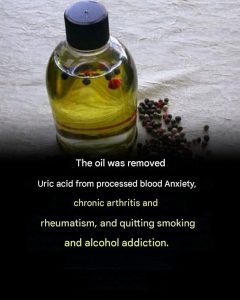
6. Olive Oil
Extra virgin olive oil is rich in polyphenols and monounsaturated fats, which improve endothelial function and reduce platelet aggregation. Its consumption is linked to lower risks of heart disease and stroke, partly due to its mild blood-thinning effects.
Incorporate olive oil as your primary cooking oil or use it in dressings and dips. Its benefits extend beyond blood thinning, supporting overall heart health by reducing inflammation and improving cholesterol profiles. Unlike some supplements, olive oil is generally safe to consume regularly, but those on blood-thinning medications should still inform their physicians of any significant dietary changes.