How to Identify When Your Garden Needs More Than Basic Care
Many gardeners seek fuller, healthier blooms and lush foliage, but often overlook a simple diagnostic step that can save time and money: testing your soil’s pH and nutrient balance. Flowering plants like geraniums, begonias, and hydrangeas thrive in soils that are not too acidic, and an imbalance can stunt growth or reduce bloom quality.
Before applying any treatments, consider whether your soil acidity might be limiting your plants. For example, soils with a pH below 6.0 can inhibit nutrient uptake, leading to sparse or weak blooms. Adjusting soil pH can be an affordable and effective way to boost plant health without resorting to costly fertilizers or chemicals.
Why Soil pH Matters for Flowering Plants
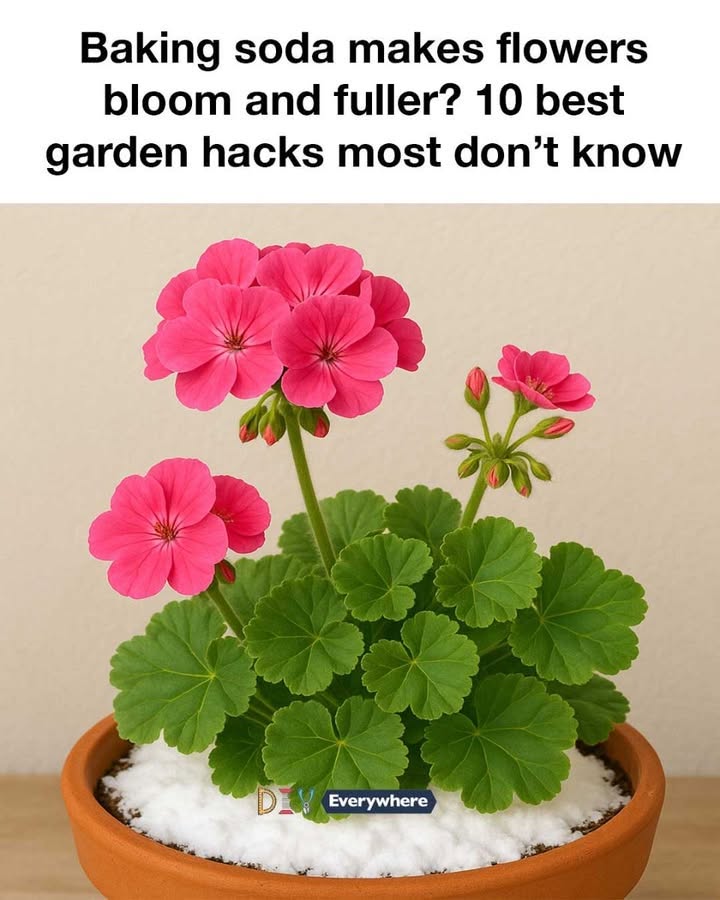
Soil pH affects nutrient availability. Acidic soils may hold nutrients tightly, making them inaccessible to plants. Baking soda, a common household ingredient, can raise soil pH by neutralizing acidity, creating a friendlier environment for certain flowers. This adjustment can encourage fuller blooms and more vigorous plant growth.
Using baking soda is not only cost-effective—typically under $5 for a large box—but also reduces reliance on synthetic chemicals. However, improper use may harm plants, so it’s essential to apply it correctly and test soil periodically.
Watch for Fungal Diseases and Nutrient Deficiencies
Fungal infections like powdery mildew and black spot can diminish flower quality and plant vitality. Baking soda also acts as a natural fungicide when mixed properly with water and a few drops of mild soap, providing a protective spray to minimize these diseases.
Magnesium deficiency, common in tomatoes and peppers but relevant to many garden plants, causes yellowing leaves and weak stems. Epsom salt, rich in magnesium sulfate, can remedy this by enhancing chlorophyll production and photosynthesis efficiency.
Check Your Garden Tools and Supplies
Sometimes, overlooked items in your medicine cabinet or kitchen pantry can be repurposed into effective garden treatments. For example, aspirin tablets dissolved in water can stimulate plant immune responses, improving resistance against disease and boosting growth. Milk diluted with water serves as a natural fungicide, particularly against powdery mildew, and is an eco-friendly alternative to chemical sprays.
Before applying any household remedies, test them on a small plant section to ensure there are no adverse effects. Always consult with gardening experts or extension services if uncertain, especially when treating valuable or sensitive plants.
Here are the 10 best garden hacks most don’t know. Number 1 is the one that can transform your blooms by simply adjusting your soil’s pH.