9. Aspirin to boost plant immunity
Aspirin, or acetylsalicylic acid, can stimulate plant immune responses when applied properly. By mimicking natural plant defense signaling molecules, aspirin helps plants prepare for and resist diseases and environmental stress.
To use aspirin in your garden, dissolve one standard 325 mg aspirin tablet in one gallon of water and spray the solution onto plant leaves every three weeks. This can enhance disease resistance and improve plant vigor, particularly in crops like tomatoes and peppers.
Use aspirin sparingly to avoid potential negative effects associated with overuse.
10. Milk as natural fungicide
Milk is an effective and eco-friendly fungicide, particularly against powdery mildew. The proteins and fatty acids in milk inhibit fungal spore germination and growth.
Mix one part milk with two parts water to create a spray solution. Apply this to affected plants every 10 to 14 days, focusing on leaves and stems prone to powdery mildew. This treatment is especially useful for cucumbers, squash, and similar plants.
When to See a Doctor
Gardening can involve exposure to plant allergens, soil-borne pathogens, and chemicals. If you experience persistent skin irritation, respiratory symptoms, or signs of infection such as redness, swelling, or fever after gardening, seek evaluation from a healthcare professional promptly.
Conclusion
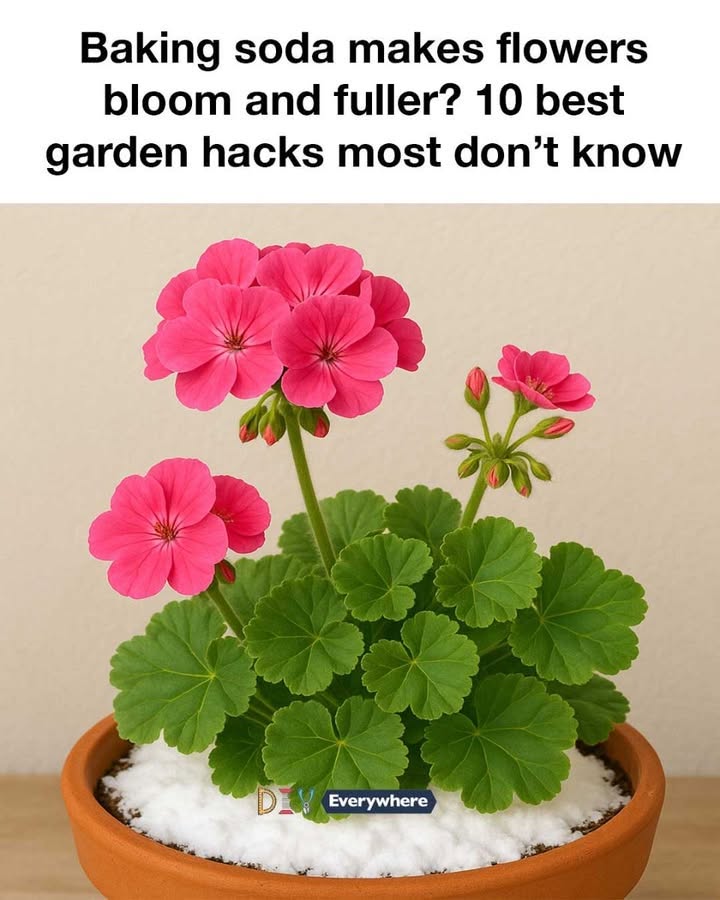
Incorporating these natural garden hacks can improve plant health, yield, and pest management sustainably and cost-effectively. From baking soda’s dual role in bloom enhancement and fungal control to aspirin’s immune-boosting effects, these time-tested methods offer eco-friendly alternatives to synthetic chemicals. Always apply treatments judiciously and observe your plants’ responses to optimize your garden’s success.
Disclaimer: This information is for educational purposes only and does not replace professional medical or horticultural advice.