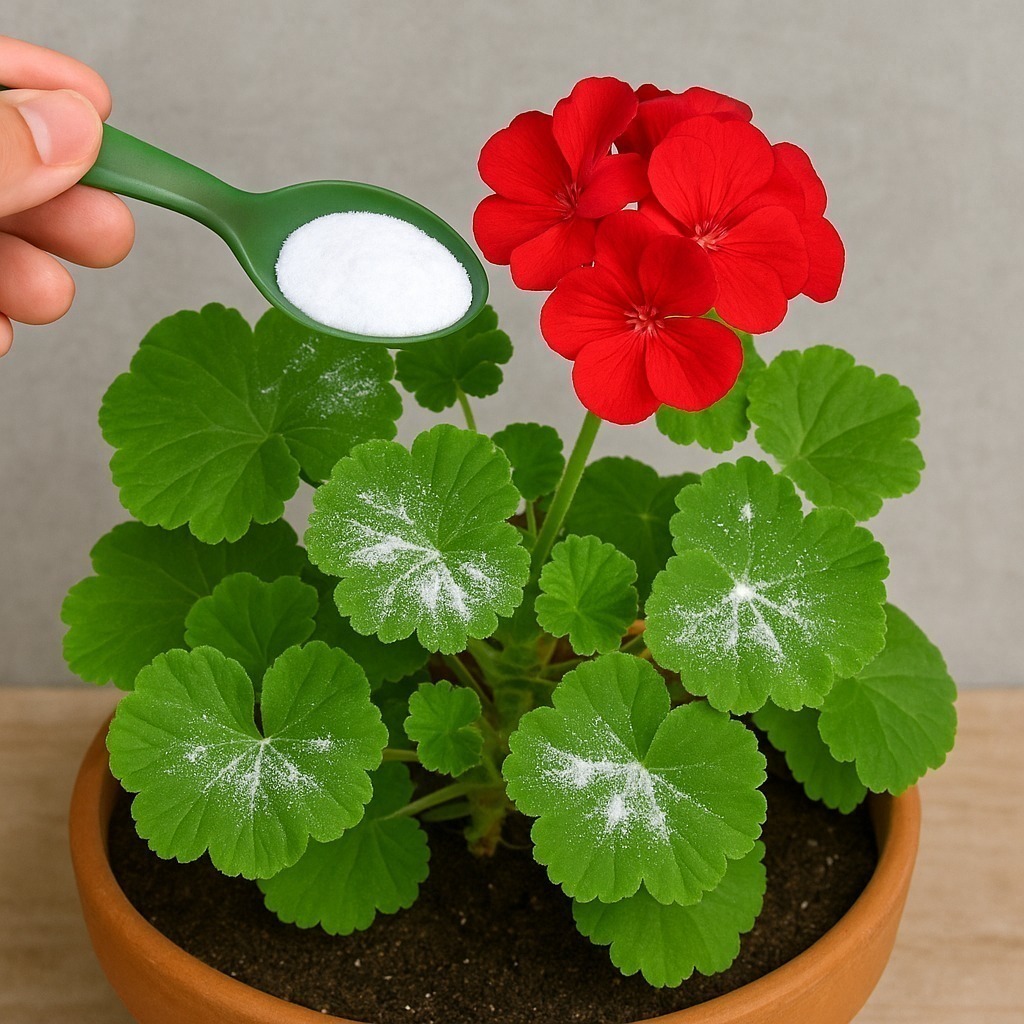
3. Water in the morning
Morning watering is the ideal time to nourish your geraniums because it minimizes water loss through evaporation during the heat of the day. Additionally, watering early allows any moisture on the foliage to dry thoroughly before nightfall, reducing the risk of fungal diseases such as powdery mildew.
Always direct water at the soil level rather than the leaves. Damp leaves left overnight create a hospitable environment for pathogens that can damage your plants and reduce flowering.
4. Adjust watering by season
Geraniums’ water needs vary throughout the year due to temperature fluctuations and changes in sunlight intensity. During spring and fall, cooler temperatures and slower evaporation mean watering every 5 to 7 days is often sufficient—provided the soil feels dry at the recommended depth.
In peak summer heat, you may need to water every 2 to 3 days. However, only do so if the soil has completely dried out; overwatering remains a common mistake at this time. After rain, skip watering entirely—even light showers can provide enough moisture.
5. Avoid overwatering damage
Overwatering is one of the most frequent causes of geranium decline. Consistently wet soil deprives roots of oxygen and can lead to root rot, a potentially fatal condition. Symptoms include yellowing of the lower leaves, soft or mushy stems, and a noticeable drop in flower production as the plant shifts energy toward survival.
To prevent this, always check soil moisture before watering and ensure containers have proper drainage. If you notice signs of overwatering, reduce watering frequency immediately and improve soil drainage.