9. Risks of Improper Removal
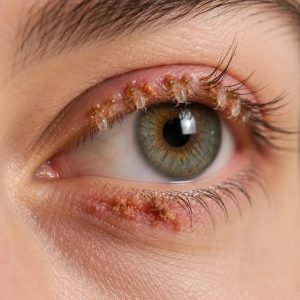
Attempting to remove milia at home through squeezing, picking, or using unsterilized tools can lead to complications. These include:
- Skin Infection: Introducing bacteria through broken skin can cause infections requiring antibiotic treatment.
- Scarring: Improper extraction can damage the skin’s surface, resulting in permanent scars or discoloration.
- Inflammation: Excessive irritation may worsen milia or lead to secondary skin conditions.
To minimize risks, rely on gentle home care or seek professional removal services.
10. Skincare Products to Avoid
Certain skincare ingredients and product types can exacerbate milia formation or irritate the skin, increasing the chance of cyst development. Avoid products that are:
- Heavy or occlusive oils: Such as coconut oil or petrolatum, which can block pores.
- Comedogenic ingredients: Including lanolin, isopropyl myristate, and some silicones.
- Harsh physical exfoliants: Abrasive scrubs that damage the skin barrier.
- Alcohol-based toners or astringents: That dry out and irritate the skin.
Opt instead for lightweight, non-comedogenic moisturizers and gentle chemical exfoliants like alpha hydroxy acids (AHAs) or beta hydroxy acids (BHAs) if tolerated.
When to See a Doctor
Consult a dermatologist if milia persist despite home care, become inflamed or infected, or if you notice rapid changes in size or number. Immediate attention is also advised for skin lesions that bleed, change color, or cause pain, to rule out other conditions.
Conclusion
Milia are common, benign skin cysts caused by trapped keratin beneath the skin surface. While harmless, they can be bothersome cosmetically. Identifying milia correctly and avoiding improper removal methods are crucial to prevent complications. Gentle home treatments and professional options are available to manage and remove milia effectively. Maintaining a proper skincare routine helps reduce recurrence.
This article is for informational purposes only and does not replace professional medical advice. If you have concerns about your skin, please consult a qualified healthcare provider.