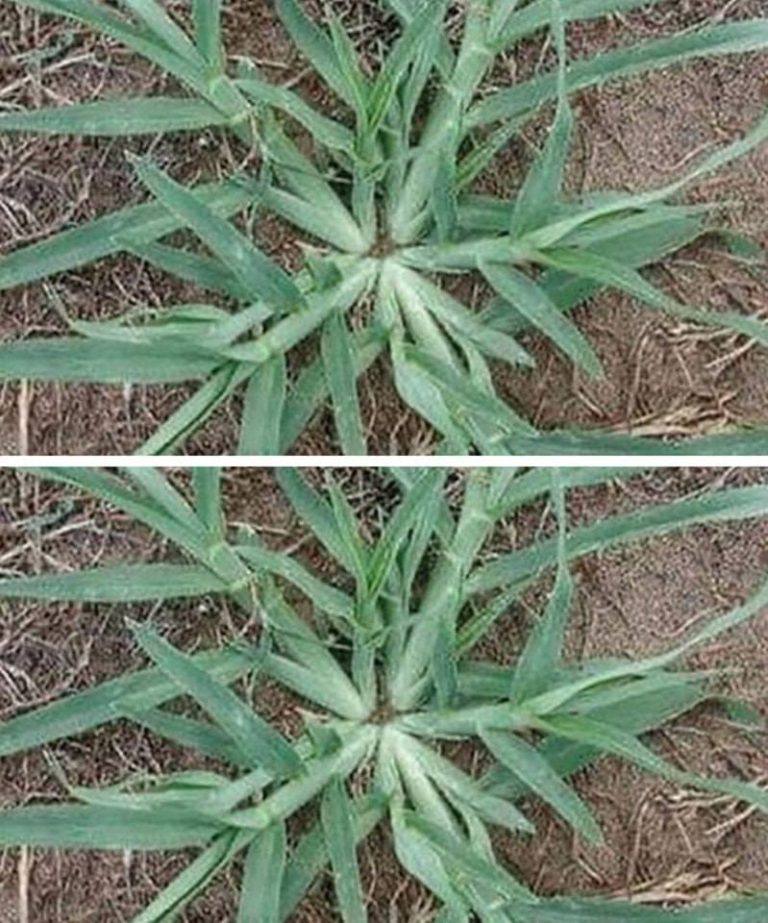
1. Identifying Purslane
Purslane is a low-growing, succulent plant often found in gardens, lawns, and disturbed soils. It has thick, fleshy, spoon-shaped leaves that are smooth and shiny, typically green or slightly reddish. The plant forms a rosette that spreads out horizontally, often with reddish stems that are smooth and somewhat glossy. Its small yellow flowers, which bloom in clusters, are usually seen during spring and summer.
When trying to identify purslane, look for its distinctive features:
- Leaves: Small, oval, fleshy, and smooth, usually growing opposite each other along the stem.
- Stems: Thick, branching, often reddish or green, lying close to the ground.
- Growth habit: Spreads as a mat, rooting at nodes where the stem touches the soil.
- Flowers: Tiny, yellow, with five petals, appearing mostly at the tips of stems.
Because purslane is often mistaken for common weeds, correctly identifying it is crucial to harness its benefits instead of removing it.
2. Health Benefits
Purslane is not just a garden plant; it offers notable health benefits, making it valuable in natural nutrition and herbal medicine. It is rich in antioxidants which help combat oxidative stress and may reduce inflammation.
Its omega-3 fatty acid content, particularly alpha-linolenic acid, is unusually high for a plant source, supporting cardiovascular health by helping to reduce cholesterol levels and improve blood flow.
Additional benefits include:
- Supporting digestive health due to its high fiber content.
- Providing vitamins and minerals that help maintain skin health and boost the immune system.
- Potential antimicrobial properties that support the body’s defenses against infections.
Regular consumption of purslane, whether fresh or cooked, can complement a balanced diet aimed at improving overall wellness.