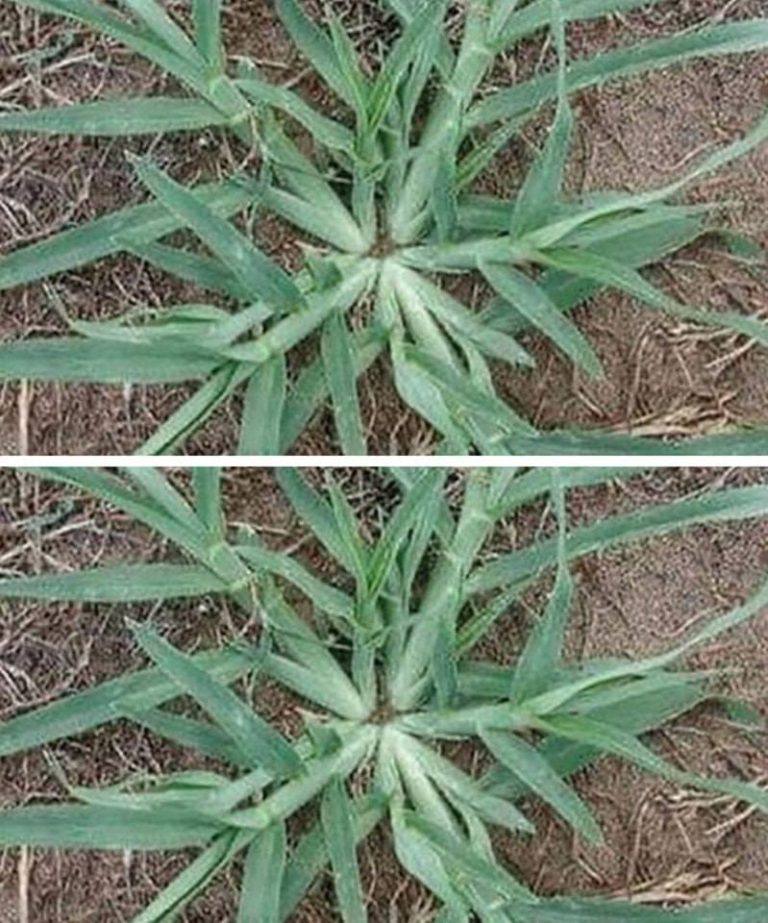
6. Common Misconceptions
Many gardeners mistake purslane for a harmful weed and uproot it without realizing its benefits. One common misconception is that it competes aggressively with crops, but in reality, it can coexist with many plants and even enhance soil quality.
Another myth is that purslane is toxic or unsafe to eat. On the contrary, it is edible and nutritious when properly identified and harvested from uncontaminated soil.
Some also believe purslane is invasive everywhere; however, its growth is typically manageable and can be controlled through regular harvesting.
7. Potential Risks
While purslane is generally safe, there are a few considerations to keep in mind. It contains oxalates, which in high amounts can contribute to kidney stone formation in susceptible individuals. Therefore, people with a history of kidney stones should consume purslane cautiously and consult their doctor.
Additionally, purslane collected from polluted or pesticide-treated areas may carry harmful residues. Always ensure you harvest from clean, chemical-free environments to avoid contamination.
As with any new food or herbal remedy, start with small amounts to monitor for allergic reactions or digestive upset.
8. Harvesting Tips
Harvest purslane when the leaves and stems are tender and before the plant flowers for the best taste and texture. Use clean scissors or pinch off the stems just above the soil line to encourage regrowth.
Collecting purslane regularly not only provides fresh greens but also prevents overgrowth in the garden. Wash thoroughly to remove soil and any insects before consumption.
To preserve purslane, it can be used fresh in salads or lightly cooked, and it also freezes well for later use.