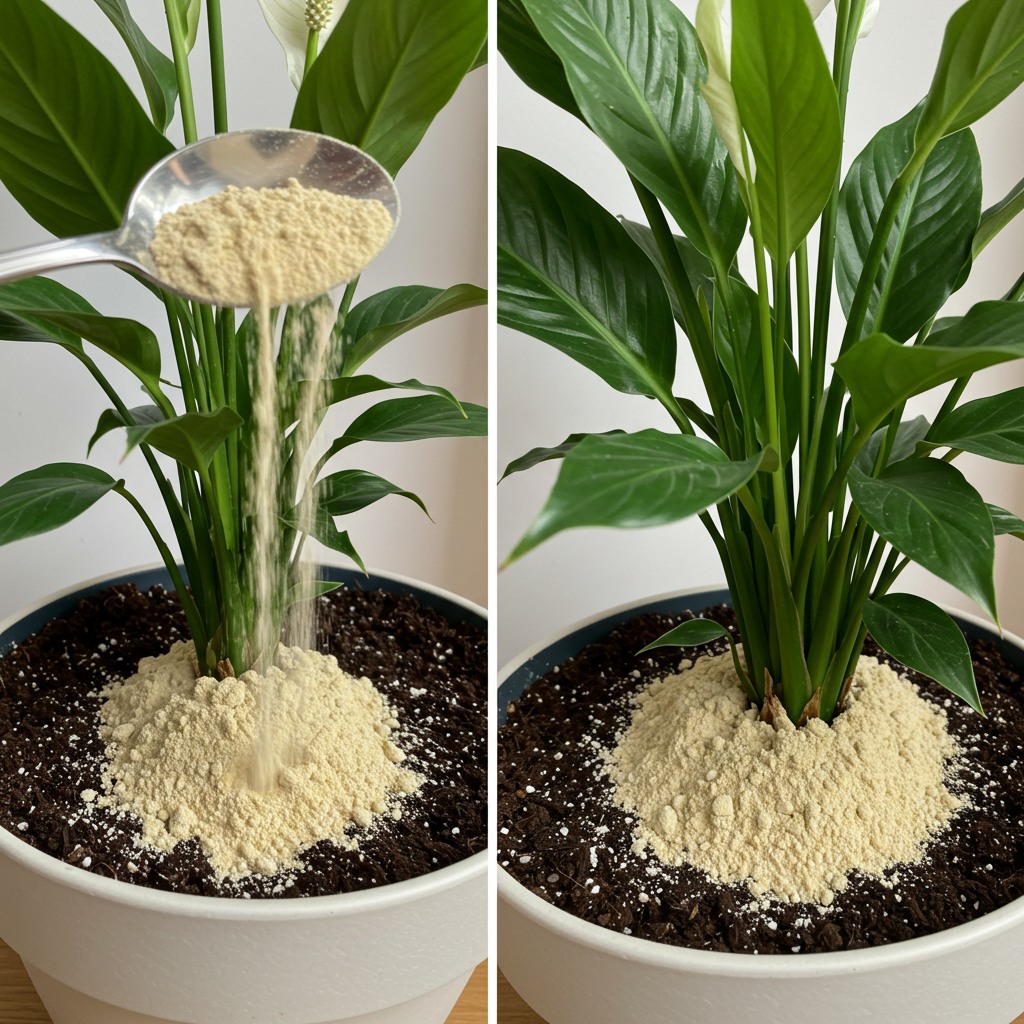
6. Pot size and repotting
Choosing the correct pot size and repotting at the right intervals supports continuous growth and blooming. Peace lilies prefer to be slightly root-bound, so select a pot just one size larger than the current root ball.
Repotting every 1-2 years refreshes the soil and prevents nutrient depletion. Signs that repotting is necessary include roots growing out of drainage holes or the plant becoming top-heavy.
When repotting, gently loosen the root ball and trim any dead or rotting roots. Use fresh soil with the previously recommended mix to give your peace lily the best environment for flower production.
7. Pest prevention
Common pests such as spider mites, aphids, and mealybugs can stress your peace lily, reducing its ability to bloom. Regular inspection of leaves and stems helps catch infestations early.
Prevent pests by maintaining proper humidity and avoiding over-fertilization, which can attract insects. If pests appear, treat the plant with insecticidal soap or neem oil, applied according to package directions, to minimize chemical exposure.
Isolation of affected plants prevents spread to other houseplants.
8. Pruning techniques
Regular pruning promotes healthy growth and encourages new blooms. Remove yellowing or damaged leaves promptly to prevent disease and improve appearance.
After flowers fade, cut the flower stalk at the base near the soil line to redirect the plant’s energy towards producing new blooms.
Use clean, sharp scissors or pruning shears to avoid damaging stems, and disinfect tools between cuts to prevent infection.