Why Peeling Hard-Boiled Eggs Can Be Difficult
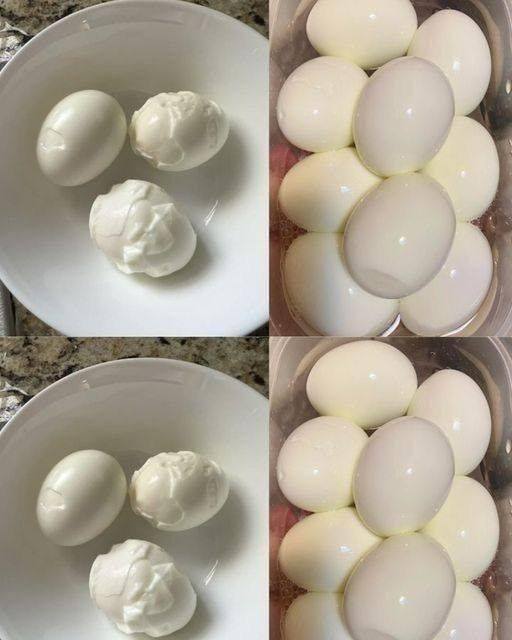
Peeling hard-boiled eggs can often feel like a frustrating kitchen chore, especially when bits of shell cling stubbornly to the egg white or the surface tears, ruining the smooth texture. The root cause is how the egg white bonds to the inner shell membrane during cooking. Cracking the code to easy peeling is essential for anyone preparing eggs for salads, snacks, or meal prep.
The Crucial Role of Ice Water Shocking
The most effective method to separate the egg white cleanly from the shell involves immediately transferring the eggs from boiling water into an ice water bath. This rapid temperature drop causes the egg inside to contract slightly, pulling away from the shell and breaking the bond. This simple step can turn peeling from a hassle into a quick, satisfying task.
Cold Start for Even Cooking
Starting the eggs in cold water before bringing them to a boil ensures even cooking, preventing rubbery whites or undercooked centers. The timing of the boiling phase is just as important—overcooking can make peeling more difficult by creating a tighter bond between the white and the shell.
Check Your Kitchen Tools and Ingredients
Beyond technique, factors such as the age of the eggs and water quality can influence peeling ease. Slightly older eggs, typically about a week or more, peel better because their pH level shifts, reducing membrane adhesion. Also, the hardness of your tap water and the size of your pot can subtly affect the cooking environment.
With these practical considerations in mind, you are well on your way to mastering the art of peeling hard-boiled eggs without stress or mess.
Here are the 10 essential tips for perfectly peeled hard-boiled eggs. Number 3 is the one that saves the most time and effort — and it all starts with a simple plunge.