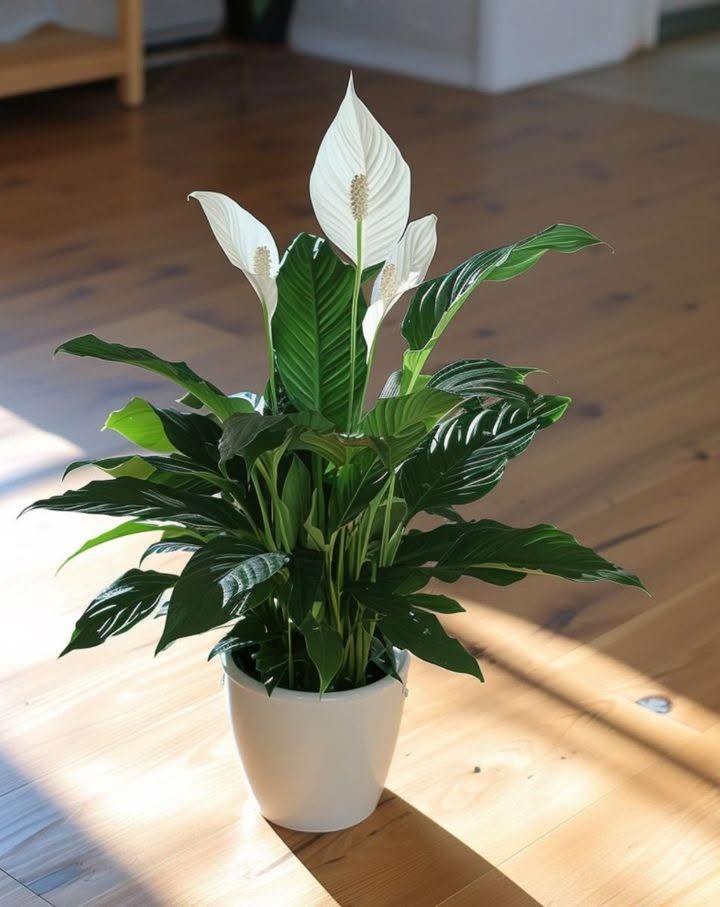
Why Your Peace Lily Isn’t Blooming: Key Factors to Consider
Peace lilies are prized for their elegant white flowers and glossy foliage, but many indoor gardeners struggle with getting their plants to bloom. The challenge often lies not in the plant itself but in meeting its specific environmental and care needs. Understanding these factors is essential for turning your peace lily from a leafy green companion into a flowering centerpiece.
Assess Your Lighting Situation First
Lighting is one of the most critical elements for encouraging peace lily blooms. These plants naturally thrive under the filtered light of tropical rainforests, meaning they need bright but indirect sunlight. Too little light can stunt flowering, while direct sun can damage their leaves. Finding a spot with gentle, diffused lighting is a key first step.
Water Management: Avoid Common Mistakes
Proper watering is crucial but often misunderstood. Peace lilies require consistently moist soil that is never soggy. Overwatering can cause root rot, a serious condition that impairs the plant’s ability to bloom and survive. Allow the soil surface to dry out slightly between waterings, and always ensure your pot has good drainage.
Humidity and Temperature: Mimic Their Native Habitat
Because peace lilies evolved in humid tropical environments, they respond best to higher humidity levels—ideally above 50%. Low indoor humidity can hinder blooming and stress the plant. Temperature stability is also important; they prefer warmth between 65°F and 80°F (18°C–26°C) and should be shielded from drafts or sudden changes.
Soil and Pot Considerations Affect Blooming
The right soil composition supports healthy root systems essential for flowering. Using a well-draining, peat-based mix prevents waterlogging while retaining enough moisture. Additionally, the pot size must strike a balance: too small restricts growth, too large can cause excess moisture retention, both of which can suppress blooms.
Check Your Fertilizer Practices
Feeding your peace lily correctly can make a significant difference. Standard houseplant fertilizers applied moderately during the growing season support healthy growth, but overfertilizing can damage the plant and reduce flowering. Some gardeners find success using phosphorus-rich bloom boosters, but these should be used sparingly and as directed.
Understanding these care parameters provides a decision framework: start by evaluating your peace lily’s light, water, humidity, temperature, soil, pot size, and fertilizing routine. Small adjustments in these areas often unlock blooming potential. Remember, patience is also a factor; peace lilies typically bloom in spring but may take time to respond to ideal care.
Here are the 11 ways to get your peace lily to bloom. Number 7 is the one most people overlook — and it directly influences how your plant allocates energy.