Distinguishing Milia from Other Skin Conditions: Your First Step
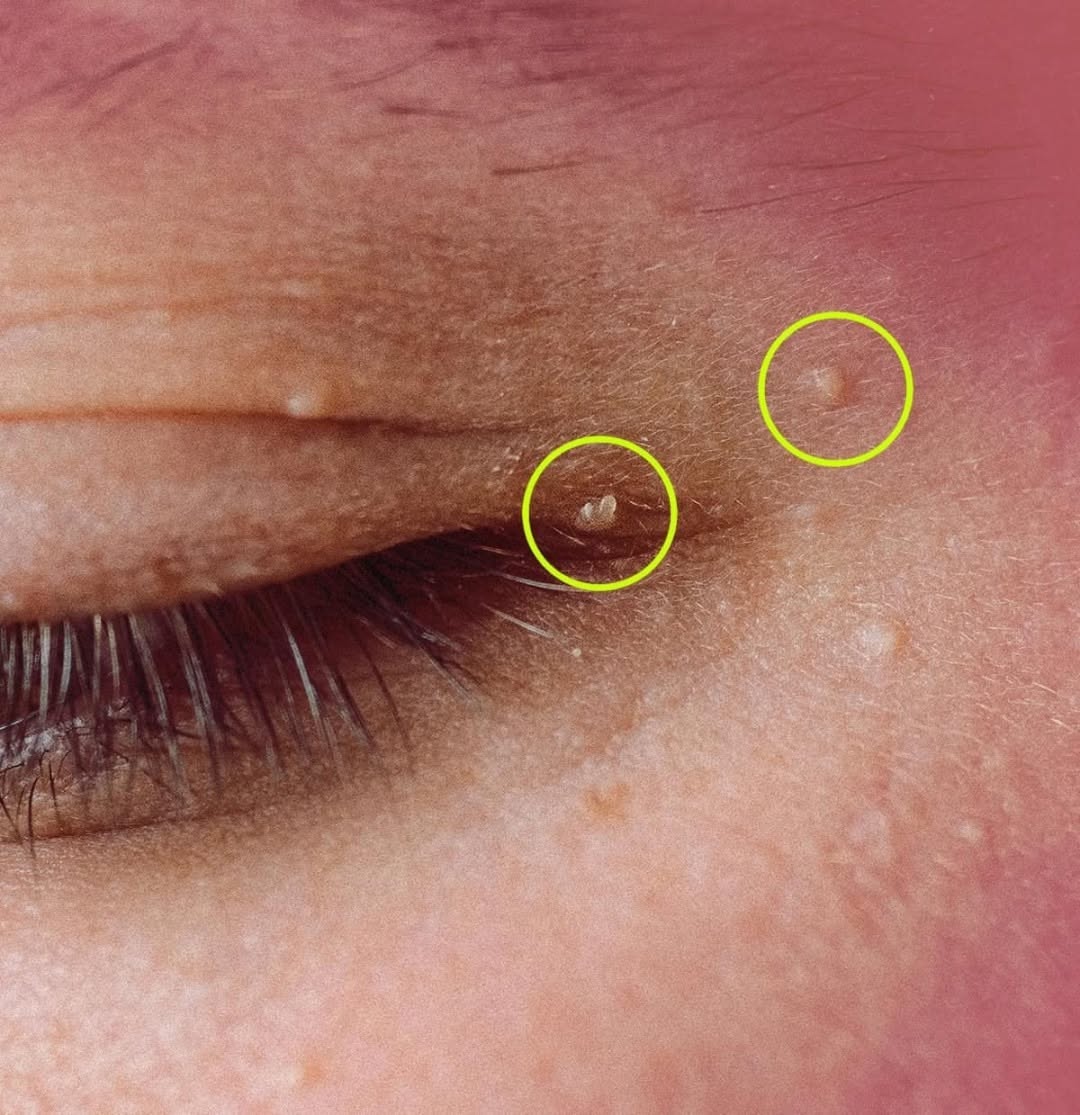
Before attempting any treatment, it’s important to confirm that the small white bumps on your face are indeed milia. Milia are tiny, firm, white cysts caused by trapped keratin beneath the skin’s surface. They are benign and do not indicate infection or serious disease, but can resemble other skin issues such as whiteheads, warts, or even certain dermatological conditions that require medical attention.
Emergency Note: If you notice rapid changes in size, color, pain, or if the bumps become inflamed or bleed, consult a dermatologist promptly to rule out more serious conditions.
Understanding the Root Cause: Keratin Retention and Skin Health
Milia form when keratin, a structural protein in the skin, becomes trapped beneath the outer layer rather than exfoliating naturally. This retention can result from various factors including skin damage, certain skincare products, or underlying skin conditions. Recognizing these causes is crucial for effective treatment and prevention.
Check Your Medicine Cabinet
Some topical medications and skincare products can contribute to milia formation by clogging pores or irritating the skin. Ingredients such as heavy oils, waxes, or thick creams may promote keratin buildup. If you use retinoids, corticosteroids, or other prescribed skin treatments, discuss with your healthcare provider whether they might affect milia development.
Decision Framework: Who Should Treat Milia and How?
Milia are generally harmless and often resolve on their own without intervention. However, persistent or widespread milia may require professional care. Treatment options range from at-home gentle exfoliation to dermatological procedures such as extraction or laser therapy. A careful approach helps avoid skin damage and scarring.
Attempting to squeeze or pick milia is discouraged as it can worsen the condition and increase infection risk.
Preparing Your Skin: The Role of Steam Baths
Using steam to open pores can facilitate milia treatment by softening the skin and helping to clear dead skin cells and debris. A steam bath improves blood circulation and can be used before applying topical remedies or undergoing professional extraction.
To try this at home, gently steam your face over a bowl of hot water for 5 to 10 minutes, taking care to avoid burns.
Natural Home Remedies: Exfoliants and Anti-Inflammatory Applications
Some natural ingredients have properties that support skin exfoliation and reduce inflammation, which may help in managing milia:
- Honey, Lemon, and Sugar Exfoliant: Honey acts as a humectant and antibacterial agent; lemon juice provides astringent and antioxidant effects; sugar offers gentle mechanical exfoliation. Mixing these into a paste and applying for 15 minutes can support skin renewal.
- Pomegranate Peel Paste: Ground dried pomegranate peels combined with honey provide antiseptic and anti-inflammatory benefits. Regular application may aid in reducing milia over weeks.
Consistency and gentle application are key; aggressive scrubbing or harsh chemicals can irritate the skin and exacerbate milia.
Important: If milia persist or multiply, professional evaluation is recommended to explore safe removal options and assess for underlying skin issues.
Here are the 10 key aspects of milia to understand. Number 6 is the one most people overlook — and it plays a critical role in both treatment and prevention.