3. Electrical code requirements
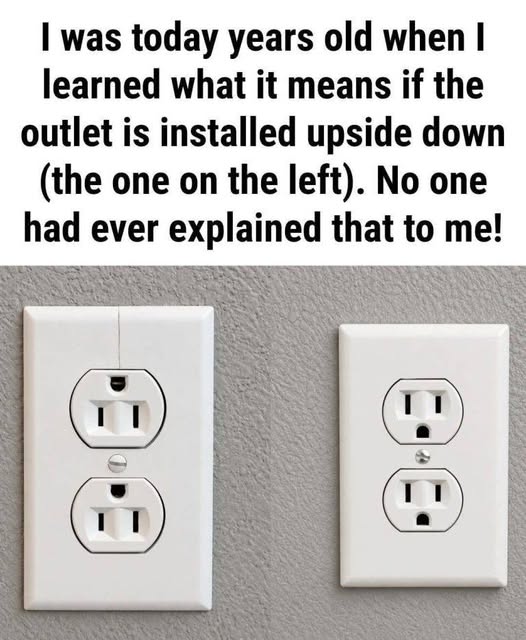
Contrary to widespread belief, most national and local electrical codes do not mandate a specific orientation for grounded outlets. Whether the grounding pin is installed on top, bottom, or even sideways, what matters most is that the outlet installation complies with all safety standards, wiring practices, and local regulations.
Electrical codes focus on ensuring safe wiring methods, proper grounding, and secure connections rather than prescribing the physical orientation of outlets. This flexibility allows electricians to select an outlet orientation based on practical considerations, such as safety, accessibility, or project specifications.
However, some jurisdictions or specialized projects may have particular guidelines or preferences for outlet orientation. For example, healthcare facilities often adopt the ground-up orientation as a best practice for safety, even if not explicitly required by code.
4. Traditional outlet orientation in homes
In most residential settings, outlets are installed with the grounding pin at the bottom. This convention emerged simply from tradition and habit rather than a safety imperative. Builders, manufacturers, and designers have established this orientation as the visual standard over decades.
Homeowners expect outlets to look a certain way, and furniture and appliance designs typically assume this orientation. As a result, the ground-down outlet has become the familiar and accepted norm in residential construction.
While this orientation is generally safe when outlets and electrical systems are installed correctly, it does not offer the same extra protection against accidental contact with energized prongs that the ground-up orientation can provide.
5. Purpose of the grounding pin
The grounding pin—the round hole on a grounded electrical outlet—serves a critical safety function. It provides a low-resistance path to earth ground that helps protect people from electric shock in case of appliance faults.
If an internal fault occurs and metal parts of an appliance become energized, the grounding system directs the electrical current safely to the earth. This prevents the appliance’s metal casing from remaining energized and posing a shock hazard.
Proper grounding also helps circuit breakers or fuses to trip promptly, disconnecting power and preventing fire or injury. Because of its safety importance, it is never advisable to remove the grounding pin from plugs to fit ungrounded outlets. Instead, outlets should be properly grounded and upgraded by qualified electricians when necessary.