When to Suspect Vitamin B12 Deficiency: A Critical Health Decision
Vitamin B12 deficiency often develops gradually and is frequently missed because its symptoms mimic other conditions. Yet, untreated deficiency can cause irreversible nerve damage and serious blood disorders. The key to avoiding complications lies in early recognition and timely blood testing.
Emergency Note
If you experience sudden weakness, severe numbness, confusion, or difficulty walking, seek medical care immediately as these may signal advanced neurological damage.
Identifying the Possibility of B12 Deficiency
Before jumping to conclusions about vague symptoms like fatigue or mood changes, consider whether you fall into a higher-risk category:
- Older adults: Absorption of vitamin B12 decreases with age, making deficiency more common after age 60.
- Vegetarians and vegans: Since B12 is primarily found in animal-based foods, strict plant-based diets can lead to low levels.
- People with digestive disorders: Conditions such as celiac disease, Crohn’s disease, or those who have had gastrointestinal surgery may absorb less B12.
- Those on certain medications: Long-term use of drugs like proton pump inhibitors can interfere with B12 absorption.
Check Your Medicine Cabinet
Review any ongoing medications with your healthcare provider to determine if they might contribute to lowered B12 levels. This step is often overlooked but crucial in uncovering hidden causes.
The Cost and Convenience of Diagnosis
A simple blood test can confirm B12 status. In the United States, this test typically costs between $30 and $100 without insurance, depending on location and lab. Early diagnosis allows for effective treatment with oral supplements or injections, which are affordable and widely available.
Understanding whether your symptoms warrant testing can prevent long-term complications such as nerve damage, cognitive decline, or anemia-related heart strain.
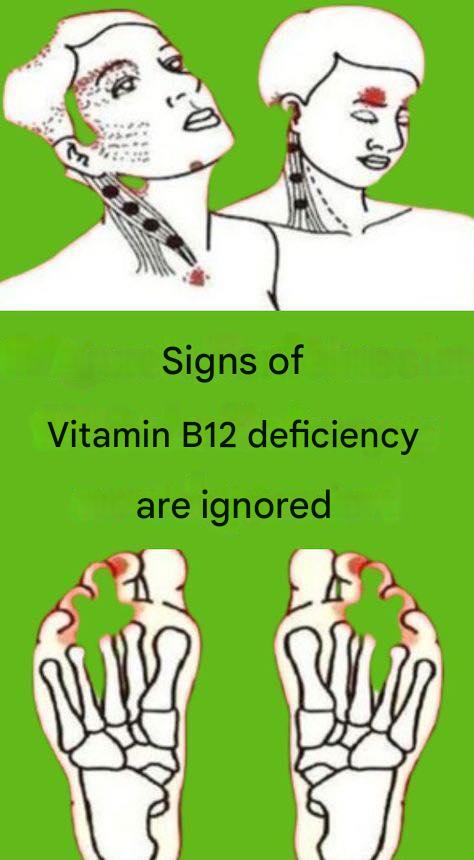
Here are the 10 most common signs of vitamin B12 deficiency. Number 3 is the one most people don’t expect — and it has nothing to do with pain.