1. Low body fat effect
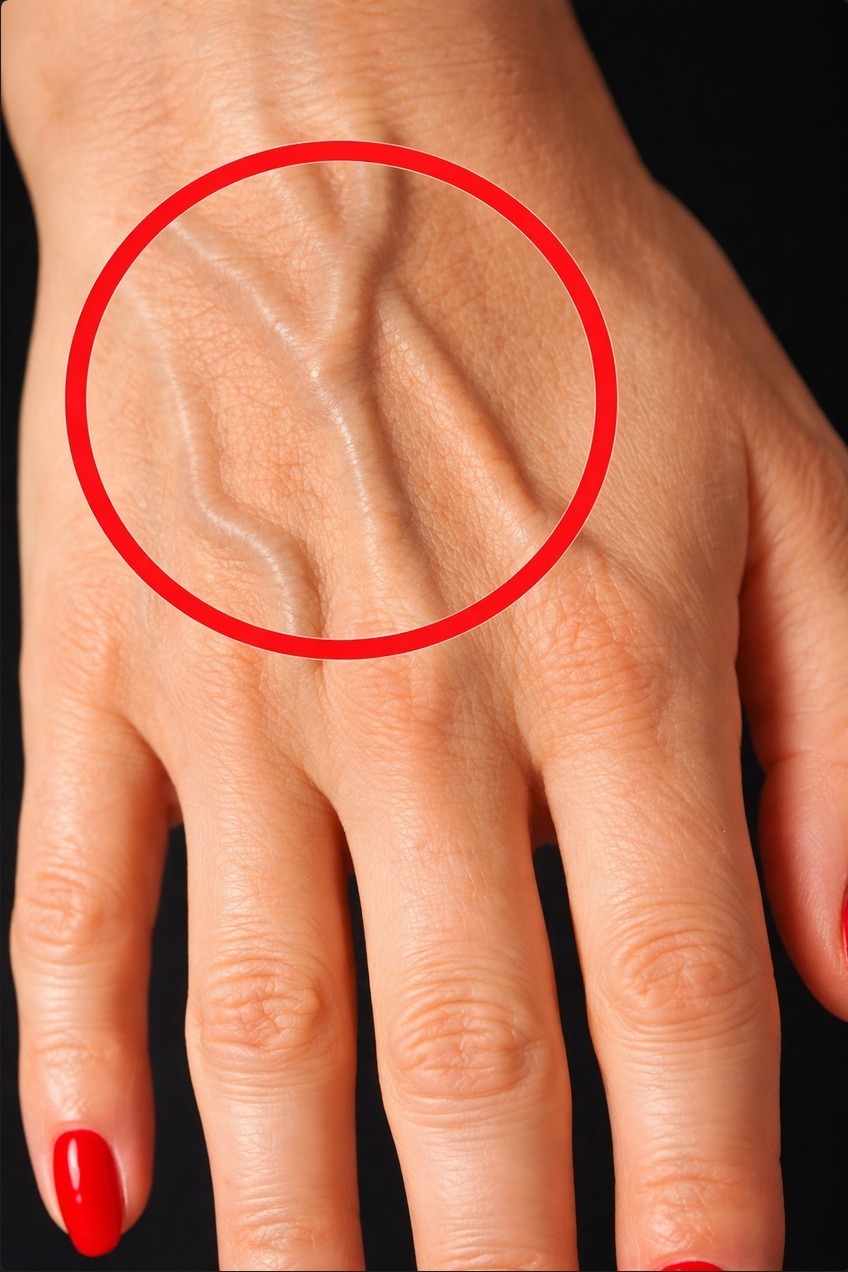
Visible veins are often more pronounced in individuals with low body fat because there is less subcutaneous fat tissue covering the veins. This reduced layer of fat makes veins more apparent beneath the skin’s surface. Athletes, bodybuilders, and people with naturally lean physiques frequently experience this phenomenon.
In practical terms, seeing prominent veins in a person with low body fat generally indicates normal anatomy and good vascular health rather than any problem. Veins may appear bluish or greenish depending on how light penetrates the skin and reflects off the blood vessels.
- Low body fat reduces the insulation and padding over veins.
- Veins become more visible especially on the hands, forearms, and legs.
- This visibility is typically symmetrical and not associated with pain or swelling.
Maintaining a healthy body fat percentage through balanced diet and exercise is beneficial for overall cardiovascular health, but visible veins alone do not indicate any issue related to circulation.
2. Genetic factors
Genetics play a significant role in vein visibility. Some people inherit thinner or more translucent skin, which allows veins to show through more easily. Additionally, the natural positioning and size of veins vary among individuals due to inherited traits.
People with fair skin or naturally thin skin tend to have more visible veins. This is a normal variation and does not imply any circulatory dysfunction. The prominence of veins due to genetics is often stable over time and symmetrical on both sides of the body.
- Genetic predisposition affects skin thickness and vein size.
- Visible veins are more common in fair-skinned individuals.
- This trait does not correlate with poor circulation or vascular disease in most cases.
Understanding your family history can help you identify whether visible veins are part of your natural physiology or if they warrant further evaluation.