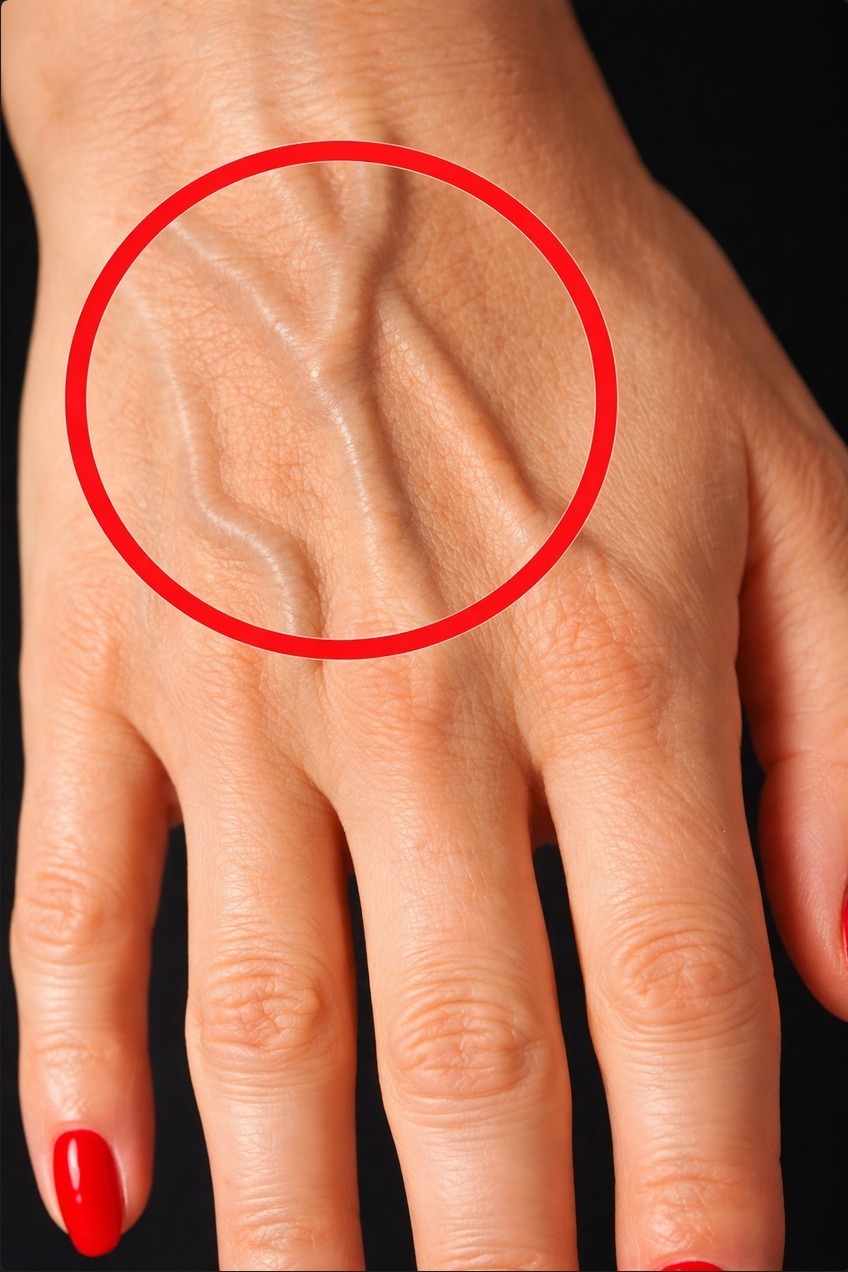
6. Varicose veins
Varicose veins are enlarged, twisted veins typically found in the legs caused by weakened or damaged venous valves. These valves normally prevent blood from flowing backward as it returns to the heart. When they fail, blood pools in the veins, increasing pressure and causing them to bulge and become visible beneath the skin.
Varicose veins may appear as blue or dark purple, swollen, and twisted vessels. They can cause symptoms such as aching pain, heaviness, swelling, itching, and skin discoloration. If left untreated, varicose veins can lead to complications like venous ulcers or blood clots.
- Weak valves allow blood to pool in leg veins.
- Visible veins become bulging, twisted, and often painful.
- Treatment options include compression stockings, lifestyle changes, and medical procedures like endovenous laser therapy or sclerotherapy.
7. Chronic venous insufficiency
Chronic venous insufficiency (CVI) occurs when leg veins cannot efficiently return blood to the heart over an extended period. This condition leads to venous hypertension, swelling, skin changes, and sometimes ulcers. CVI often results from varicose veins, deep vein thrombosis, or other venous disorders.
Visible veins in CVI are typically accompanied by symptoms such as leg swelling, aching, heaviness, skin discoloration (especially around the ankles), and slow-healing wounds. Diagnosing CVI may involve duplex ultrasound to assess venous blood flow and valve function.
- Impaired venous return causes chronic blood pooling in legs.
- Signs include swelling, skin discoloration, and visible, bulging veins.
- Management includes compression therapy, exercise, and sometimes surgery.
8. Signs of poor circulation
While visible veins alone do not necessarily indicate poor circulation, several other signs suggest circulatory problems. These symptoms should prompt evaluation by a healthcare professional.
- Persistent swelling of the legs or feet
- Numbness or tingling sensations in limbs
- Cold hands or feet
- Muscle cramps during activity (claudication)
- Skin discoloration or ulcers that heal slowly
- Fatigue or heaviness in the limbs
Presence of these symptoms with visible veins may indicate venous insufficiency, peripheral arterial disease, or other vascular disorders requiring medical assessment and treatment.