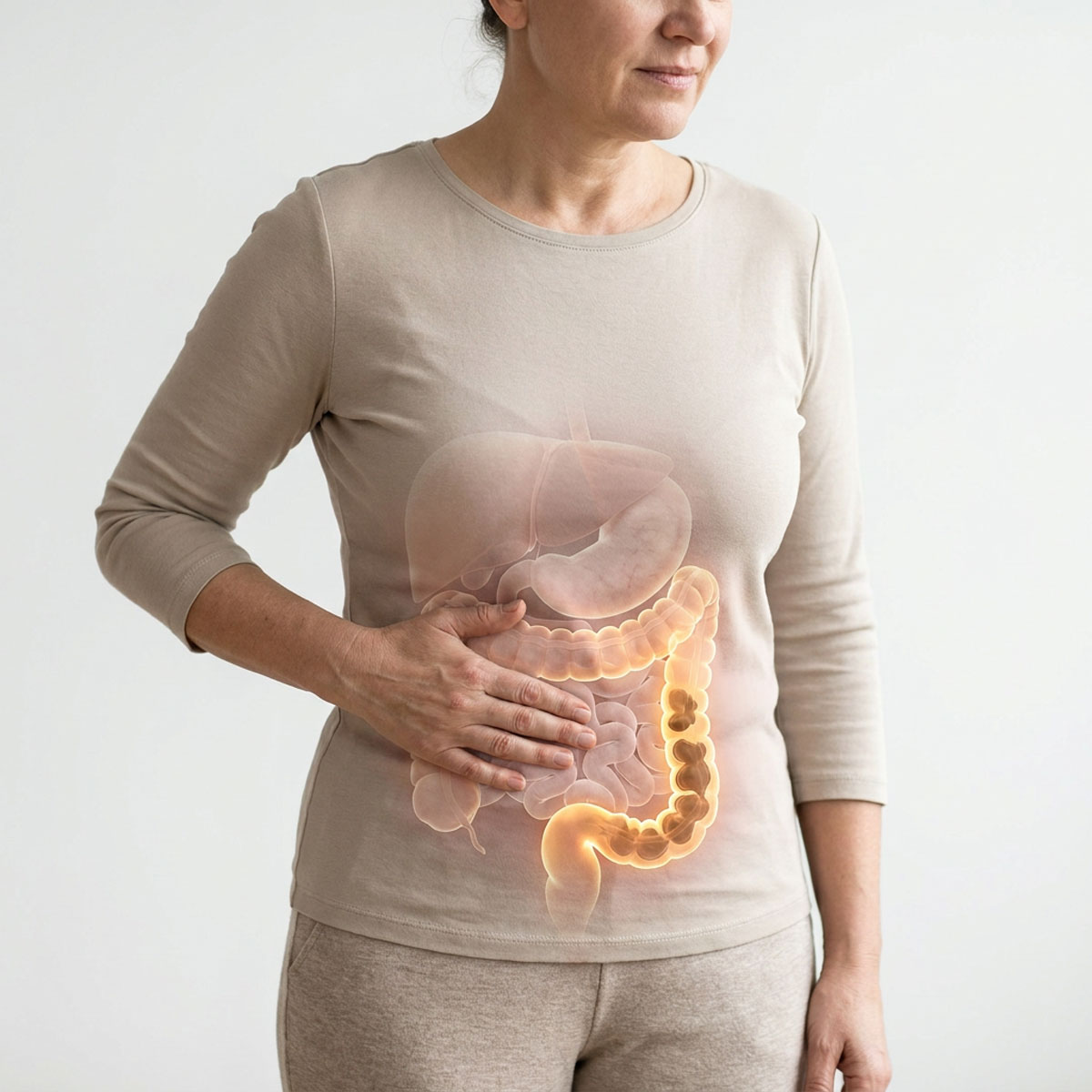
1. Understanding Colon Waste Myths
One of the most pervasive myths in digestive health is that the colon stores large amounts of accumulated waste—sometimes claimed to be as much as 15 kilograms—that must be flushed out to restore health. This idea is frequently promoted by detox products and viral social media posts, but it is not supported by medical science.
The colon’s primary role is to absorb water and electrolytes from waste material and to propel stool toward elimination. In healthy individuals, stool does not remain in the colon for extended periods; it moves regularly through the digestive tract. While constipation can cause temporary stool buildup, the notion of years’ worth of toxic waste packed inside the colon is inaccurate.
Images showing a colon filled with large masses of dark, hardened waste are typically exaggerated or fabricated. The weight lost after taking a laxative or a detox drink is primarily water and recently formed stool, not decades of waste. Recognizing these myths is important to avoid unnecessary anxiety or unsafe cleansing practices.
2. Recognizing Constipation Causes
Constipation is a common digestive complaint affecting many adults, especially as they age. It occurs when bowel movements become infrequent or difficult to pass, often leading to discomfort or bloating.
Understanding the causes of constipation helps in managing it effectively. Common factors include:
- Low dietary fiber intake: Fiber adds bulk and softness to stool, promoting movement through the colon.
- Inadequate hydration: Water keeps stool soft; insufficient fluids can lead to hard, dry stools.
- Physical inactivity: Exercise stimulates intestinal contractions that help move stool.
- Medications: Certain drugs, such as opioids, antacids with aluminum or calcium, and some antidepressants, can slow bowel movements.
- Ignoring the urge: Delaying bowel movements can cause stool to become harder and more difficult to pass.
- Routine changes: Travel or disruptions in daily habits can affect bowel regularity.
- Medical conditions: Hypothyroidism, diabetes, irritable bowel syndrome, and neurological disorders can contribute to constipation.
Addressing these underlying causes often improves bowel habits more effectively than relying on quick-fix cleanses.