3. Tingling or Numbness
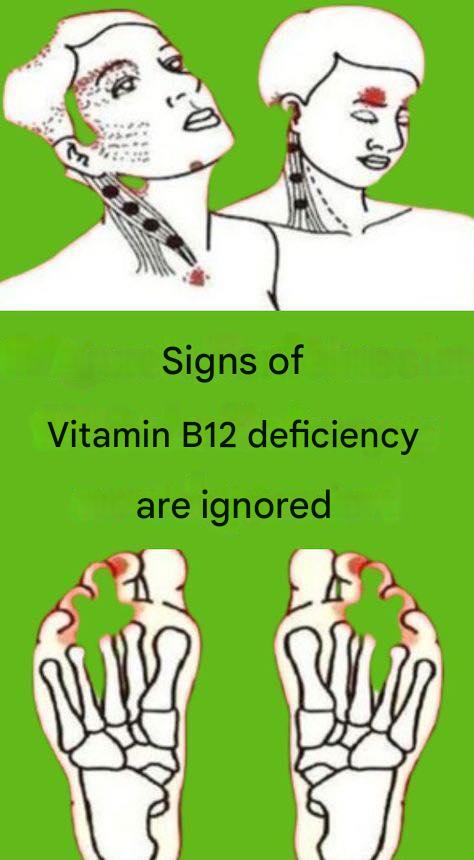
Tingling or numbness in the hands, feet, or legs is a significant neurological symptom of vitamin B12 deficiency. This sensation, often described as “pins and needles,” occurs due to nerve damage that develops when B12 is insufficient. Vitamin B12 is crucial for maintaining the myelin sheath that protects nerves, and its deficiency leads to nerve degeneration.
These symptoms may begin subtly, such as occasional numbness or a prickling feeling, but can progress to persistent discomfort or loss of sensation. If untreated, nerve damage may become irreversible, resulting in chronic neuropathy.
Because these symptoms overlap with other conditions like diabetes, it is important to get a precise diagnosis through blood tests and neurological examination. Early intervention with B12 supplementation can halt nerve damage and potentially reverse symptoms.
4. Difficulty Walking or Poor Coordination
Vitamin B12 deficiency affects the nervous system pathways responsible for muscle coordination and balance. As a result, people may experience difficulty walking, a sensation of unsteadiness, or a “wobbly” gait. This is particularly concerning because it raises the risk of falls and injury.
The underlying cause is damage to the spinal cord (subacute combined degeneration), which impairs signals between the brain and muscles. Symptoms may include muscle weakness, spasticity, or a feeling of heaviness in the legs.
If you notice changes in your walking pattern or new balance problems, especially if accompanied by numbness or tingling, seek medical evaluation promptly. Neurological assessment combined with B12 testing is essential to identify deficiency and start treatment.
5. Memory and Cognitive Issues
One of the less obvious but critical effects of vitamin B12 deficiency is its impact on cognitive function. Deficiency can lead to memory problems, difficulty concentrating, confusion, and in severe cases, cognitive decline resembling dementia.
Vitamin B12 is vital for brain health and the synthesis of neurotransmitters. When levels are low, mental clarity diminishes, making it harder to process information or recall recent events. Mood disturbances and irritability may also accompany cognitive symptoms.
Because these symptoms can mimic other neurological disorders, including Alzheimer’s disease, it is important to rule out B12 deficiency through blood tests. Early diagnosis and treatment can improve or stabilize cognitive function, whereas prolonged deficiency increases the risk of permanent damage.