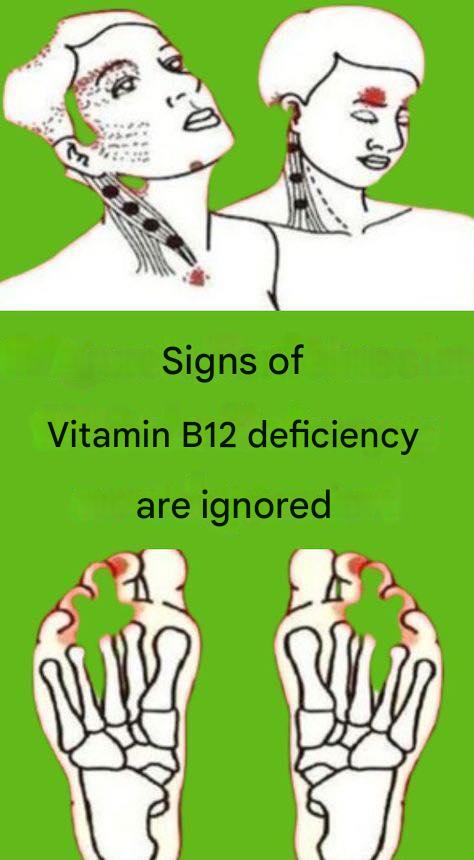
9. Vision Problems
Vitamin B12 deficiency can affect the optic nerve, leading to vision problems such as blurred vision, double vision, or even vision loss in severe cases. This occurs due to nerve damage caused by insufficient B12 levels, which impairs the transmission of visual information from the eyes to the brain.
These symptoms may develop gradually and can be mistaken for other eye conditions. However, when accompanied by other neurological signs or symptoms of B12 deficiency, they warrant prompt evaluation.
Early detection and treatment of B12 deficiency are critical to prevent permanent optic nerve damage and preserve vision.
10. Digestive Issues
Vitamin B12 deficiency can also cause a range of digestive symptoms including nausea, diarrhea, constipation, and loss of appetite. This is partly due to the vitamin’s role in maintaining the health of the digestive tract lining and supporting nerve function in the gastrointestinal system.
Additionally, certain digestive disorders that impair B12 absorption—such as celiac disease, Crohn’s disease, or atrophic gastritis—may contribute to both deficiency and gastrointestinal symptoms.
If digestive issues persist alongside any other signs of B12 deficiency, medical evaluation including blood tests and possibly endoscopy may be necessary to identify the cause and determine appropriate treatment.
When to See a Doctor
If you experience any of the symptoms described—especially persistent fatigue, neurological changes like numbness or difficulty walking, cognitive impairment, or unexplained mood changes—it is important to consult a healthcare professional. Early diagnosis of vitamin B12 deficiency through blood tests can prevent serious complications.
Your doctor may order a complete blood count, serum vitamin B12 level, and possibly additional tests such as methylmalonic acid or homocysteine levels to confirm the diagnosis. Treatment typically involves vitamin B12 supplementation tailored to the severity and cause of the deficiency.
Conclusion
Vitamin B12 deficiency often progresses silently, with symptoms that can be subtle or mistaken for other conditions. Recognizing the key signs—from fatigue and skin changes to neurological and cognitive issues—is crucial for timely diagnosis and treatment. Addressing B12 deficiency not only improves quality of life but also prevents irreversible nerve damage and serious health complications.
Disclaimer: This article is for informational purposes only and does not replace professional medical advice. If you suspect a vitamin B12 deficiency, please consult your healthcare provider for appropriate testing and treatment.