When Swollen Feet Signal More Than Just Fatigue
Emergency Note: If swelling in one foot is sudden, accompanied by pain, redness, or shortness of breath, seek medical attention immediately as this may indicate a blood clot or heart issue.
Distinguishing Swelling Causes: What Should You Check First?
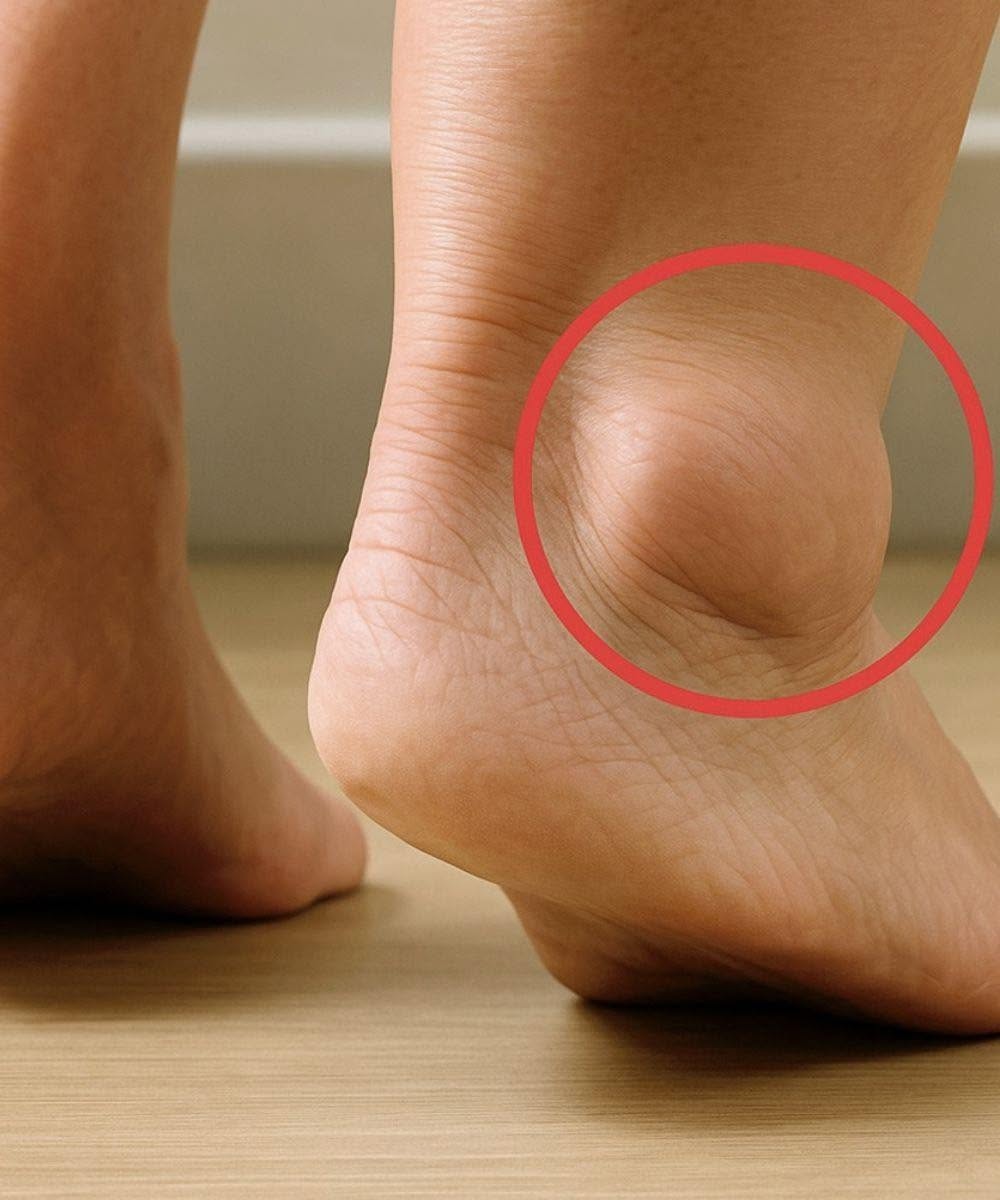
Swelling in the feet and ankles, known medically as edema, is common in older adults. But differentiating between harmless fluid buildup and swelling caused by serious health problems is critical. Begin by asking yourself: is the swelling persistent or does it appear after long periods of inactivity? Does it affect one or both feet? Does it worsen with time or come with other symptoms like skin changes or discomfort?
One of the most overlooked causes of swollen feet is medication. Many drugs prescribed for common conditions in older adults—such as high blood pressure, diabetes, or hormonal imbalances—can cause fluid retention as a side effect. Checking your medicine cabinet and discussing side effects with your healthcare provider can often reveal this connection.
Circulation plays a central role in swelling. When blood flow slows down—due to aging veins, prolonged sitting or standing, or chronic venous insufficiency—fluid pools in the lower legs. This fluid buildup can cause discomfort and restrict mobility if left unmanaged.
Lifestyle factors also contribute significantly. A diet high in sodium increases fluid retention, while lack of physical activity slows circulation. Excess weight further strains veins, making it harder for blood to return to the heart efficiently.
Simple preventive measures such as elevating the feet regularly, wearing supportive footwear or compression socks, and incorporating gentle movement throughout the day can improve circulation and reduce swelling. These strategies are affordable and can be incorporated into daily routines without specialized equipment.
Finally, underlying chronic conditions like heart disease, kidney failure, or liver problems can impair the body’s fluid management, leading to persistent swelling. Regular health checkups can help identify these issues early and guide appropriate treatment plans.
Here are the 10 most common causes and prevention strategies. Number 3 is often missed but plays a crucial role in managing swelling effectively.