1. Persistent redness
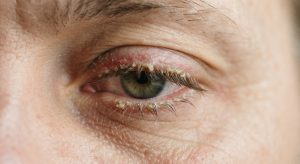
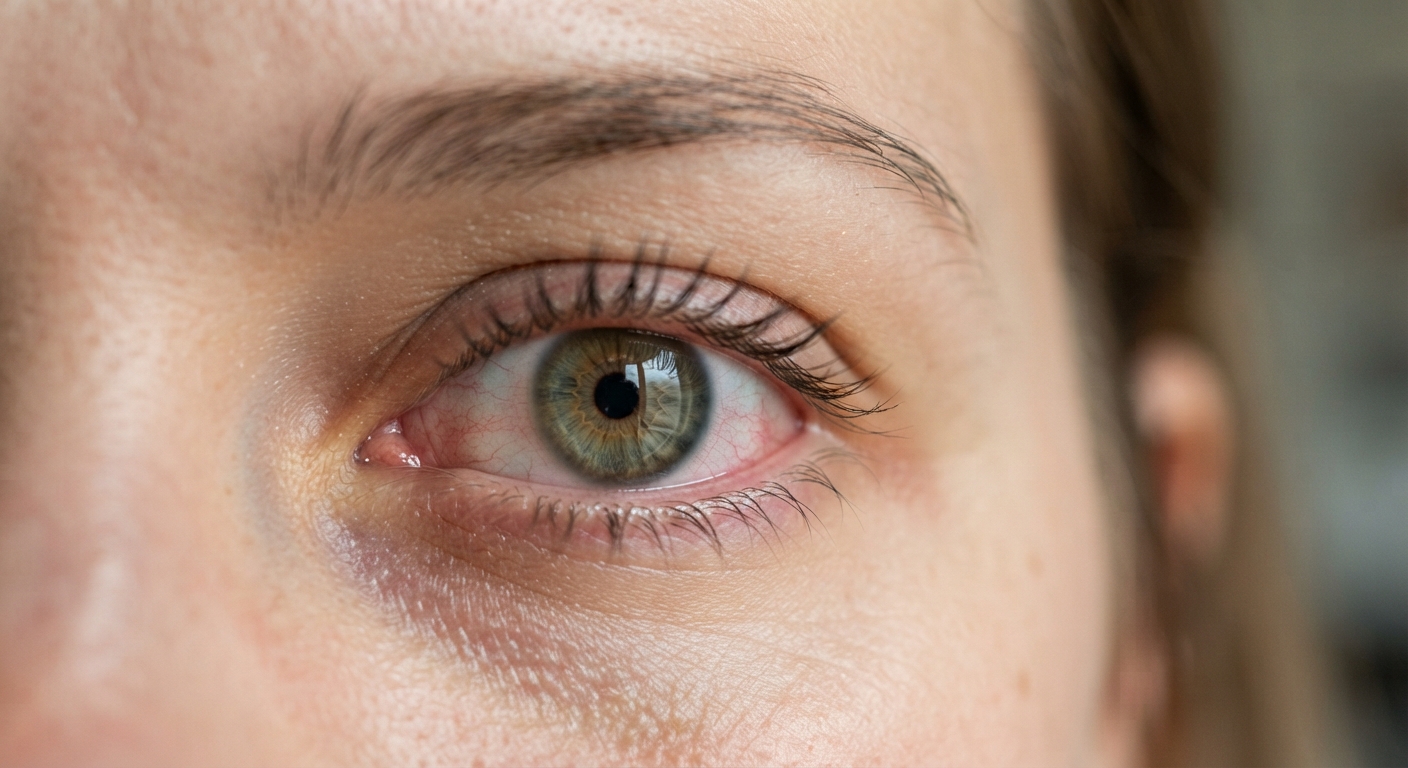
Persistent redness in the eyes is a visible marker of ongoing inflammation affecting the conjunctiva, the delicate membrane covering the white part of the eye. This redness results from dilation of tiny blood vessels due to the release of inflammatory mediators. While occasional redness from fatigue or allergies is common, redness lasting for weeks or recurring frequently should raise concern.
Chronic conjunctival injection can indicate conditions such as chronic allergic conjunctivitis, immune-mediated ocular surface inflammation, or even early signs of systemic diseases like rheumatoid arthritis. These conditions disrupt the normal tear film and epithelial barrier, promoting persistent irritation and redness.
If you notice redness that does not improve with over-the-counter lubricants or allergen avoidance, it is important to consult an eye care professional. They may perform a detailed slit-lamp examination to assess the extent of inflammation and determine if topical anti-inflammatory treatments or systemic evaluation are needed.
- Look for redness that is present daily or recurrent over months.
- Note if redness worsens in the morning or after environmental exposure.
- Track associated symptoms such as discomfort, discharge, or visual changes.
2. Frequent irritation
Frequent eye irritation, often described as a gritty, scratchy, or foreign body sensation, typically accompanies persistent redness and signals ocular surface inflammation. This irritation arises from disruption of the tear film and damage to the corneal and conjunctival epithelial cells, activating sensory nerve endings.
Patterns of irritation can provide diagnostic clues. For instance, irritation more pronounced in the morning may suggest meibomian gland dysfunction or blepharitis, whereas irritation worsening after exposure to smoke, dust, or allergens could indicate an allergic or irritant etiology.
Chronic irritation is not merely uncomfortable—it can predispose to corneal epithelial breakdown and increase the risk of secondary infections. Managing frequent irritation requires addressing both symptoms and underlying inflammation, often through a combination of lid hygiene, tear supplementation, and targeted anti-inflammatory therapies prescribed by a clinician.
- Note the timing and triggers of irritation.
- Assess for accompanying redness, discharge, or eyelid changes.
- Seek evaluation if irritation persists despite home care measures.