3. Chronic dryness
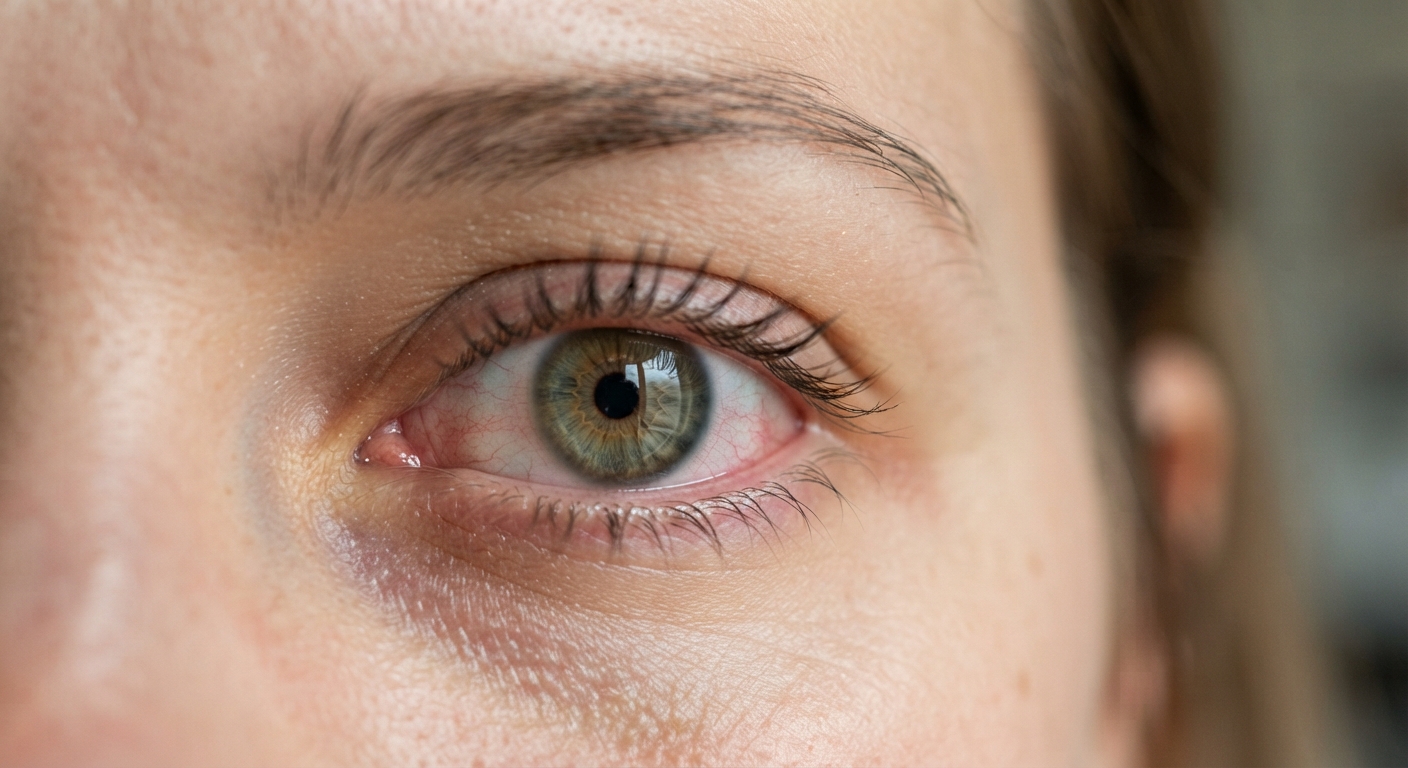
Chronic dry eye disease is a common manifestation of ocular surface inflammation. It results from either inadequate tear production or poor tear quality, leading to a destabilized tear film that fails to protect and nourish the corneal surface. This desiccation triggers epithelial stress and the release of inflammatory cytokines, creating a self-perpetuating cycle of dryness and inflammation.
Underlying causes include aging-related lacrimal gland decline, autoimmune disorders such as Sjögren’s syndrome, and ocular surface damage following surgery. Patients with chronic dryness often report persistent discomfort, fluctuating vision, and increased sensitivity to environmental factors like wind or dry air.
Clinical evaluation includes tear breakup time measurement, ocular surface staining with dyes, and meibography to assess meibomian gland structure. Treatment typically involves preservative-free lubricants, environmental modifications, lid hygiene, and, when inflammation is significant, prescription topical anti-inflammatory agents such as cyclosporine or lifitegrast. Addressing systemic contributors is critical for long-term improvement.
4. Burning and gritty sensation
The sensation of burning and grittiness reflects irritation of the corneal and conjunctival epithelium due to tear film instability and inflammation. Patients often describe a stinging feeling exacerbated by exposure to smoke, wind, or dry indoor environments. Blurred vision during reading or screen use that improves with blinking is a classic symptom pattern.
This symptom complex is closely linked to meibomian gland dysfunction and ocular surface inflammation. The meibomian glands produce the lipid layer essential for tear film stability; inflammation thickens secretions, blocks ducts, and leads to evaporative tear loss.
Management focuses on restoring tear film integrity and reducing inflammation. In addition to lubricants, warm compresses and lid scrubs improve gland function. In persistent cases, clinicians may prescribe topical anti-inflammatory medications or short courses of corticosteroids under supervision to break the inflammatory cycle.
5. Eye pain
Eye pain is a concerning sign that deeper ocular structures may be involved in the inflammatory process. Mild discomfort is common in surface irritation, but true pain—described as aching, throbbing, or sharp—is often associated with corneal inflammation (keratitis), uveitis, or scleritis.
Keratitis can result from infections, contact lens misuse, or immune-mediated disease and demands urgent evaluation to prevent complications such as corneal scarring. Uveitis, inflammation of the uveal tract, typically causes photophobia and pain due to inflammatory cells disrupting normal ocular function.
If eye pain is accompanied by redness, light sensitivity, or visual changes, immediate ophthalmic assessment is recommended. Early diagnosis enables targeted therapy with corticosteroids or immunomodulatory agents to protect vision.