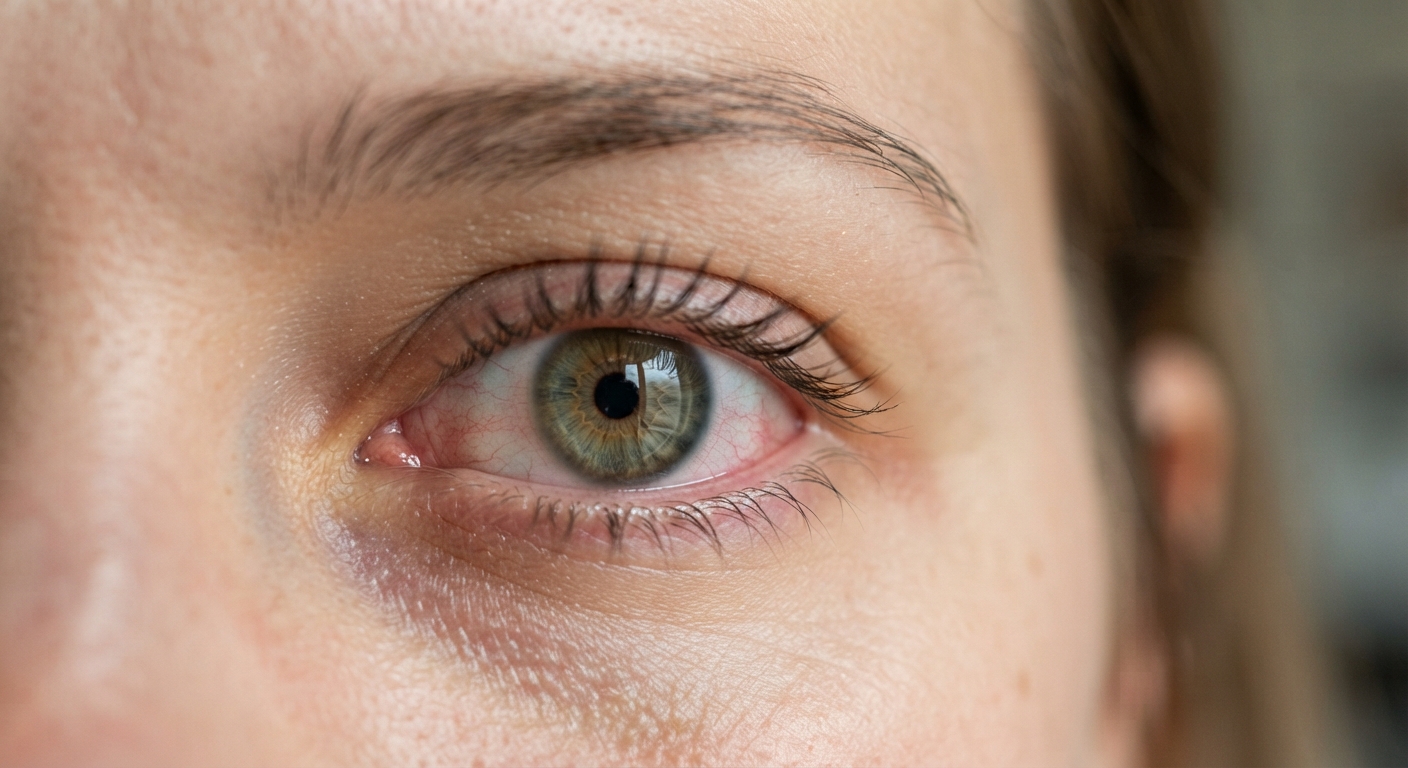
Urgent Eye Symptoms: When to Seek Immediate Care
If you experience severe eye pain, sudden vision loss, intense light sensitivity, or a rapid increase in floaters or flashes, seek urgent ophthalmic evaluation. These symptoms may indicate serious intraocular inflammation requiring prompt treatment to prevent vision loss.
Distinguishing Surface from Deep Eye Inflammation
Chronic inflammation affecting the eyes can range from surface issues like dry eye and eyelid disease to deeper problems involving the uvea or retina. Recognizing whether symptoms originate on the ocular surface or within the eye structures helps prioritize timely assessment and appropriate management.
Check Your Medicine Cabinet: Medications That Can Mask or Cause Eye Inflammation
- Topical eye drops: Over-the-counter lubricants with preservatives may worsen inflammation if used excessively.
- Systemic medications: Some drugs, including certain antibiotics and antihistamines, can contribute to dry eye and ocular surface irritation.
- Steroid eye drops: While effective for inflammation, prolonged use without monitoring can increase intraocular pressure and risk glaucoma.
Discuss any eye-related symptoms or medication side effects with your healthcare provider before making changes.
How Chronic Inflammation Impacts Your Eyes and Why Early Detection Matters
Chronic inflammation is a low-level immune response that can silently damage ocular tissues over months or years. The eye’s vascular nature makes it both a target and a window into systemic inflammatory disorders like rheumatoid arthritis, Sjögren’s syndrome, or metabolic syndrome.
Unchecked inflammation in the eye can lead to complications such as cataracts, glaucoma, corneal scarring, and permanent meibomian gland loss. Often, eye signs precede other systemic symptoms, providing early diagnostic clues for conditions requiring specialist care.
Common Inflammatory Mechanisms
Inflammatory cytokines and immune cells disrupt tear film stability and epithelial barriers, causing symptoms like redness, irritation, fluctuating vision, and eyelid abnormalities. Understanding these processes is key to moving beyond temporary symptom relief toward targeted treatment.
When to Schedule an Eye Exam: Practical Next Steps
- Persistent or recurrent redness and irritation lasting weeks or months.
- Daily dry, burning, or gritty sensations that do not improve with basic lubricants.
- New or worsening eye pain, light sensitivity, or blurred vision.
- Frequent styes, eyelid swelling, or crusting.
- Excessive tearing or abnormal discharge.
A comprehensive eye exam will likely include slit-lamp inspection, tear film assessments, eyelid gland imaging, intraocular pressure measurement, and potentially fundus examination and blood tests to identify systemic inflammation.
Early evaluation is vital as treatment may involve topical anti-inflammatory drops, oral medications, or coordination with rheumatology or infectious disease specialists to address underlying causes.
Here are the 10 signs your eyes could reveal chronic inflammation. Number 5 is the one that signals the most urgent need for medical evaluation — understanding it can protect your vision.